

Now, I want to tell you something new about Smart Box systems. Do you want to know what a Smart AI Box is?
In 2026, the AI Box, also called a Smart Box, has become an important technology for real-time data processing, automation, and making decisions at the edge. These small systems handle data locally, which helps reduce delays, protect privacy, and support critical applications like smart cities, retail analysis, robotics, and industrial automation.
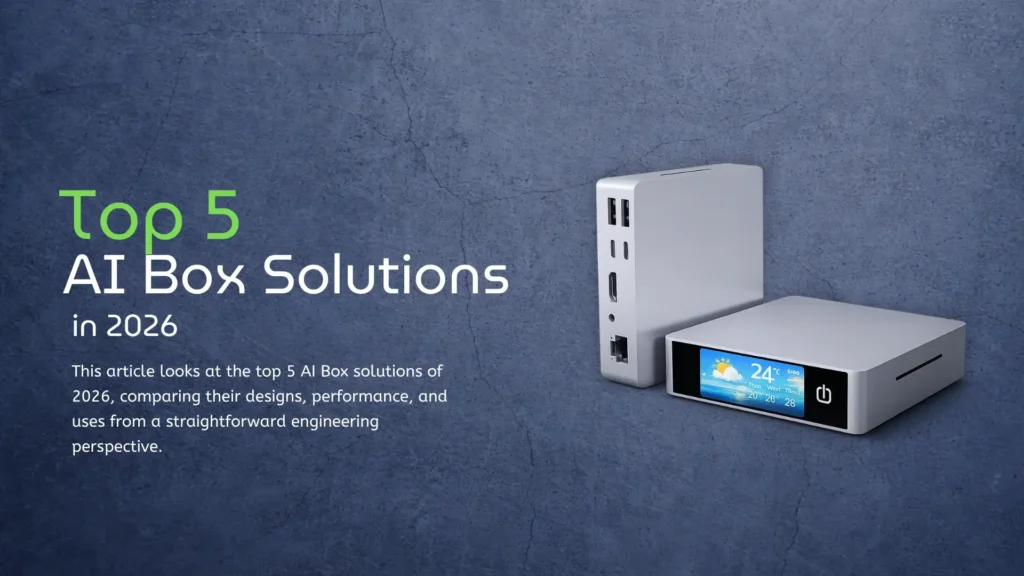
This article looks at the top 5 AI Box solutions of 2026, comparing their designs, performance, and uses from a straightforward engineering perspective.
By the way, if you want to follow how AI boxes are evolving in real-world applications, you can also check the latest edge AI and robotics news updates.
Is AI Box the same as Smart Box?
Actually, yes, you can call any AI box a Smart box. Most modern solutions integrate GPU-accelerated modules such as NVIDIA Jetson, enabling real-time computer vision, natural language processing, and multi-sensor data fusion.
The importance of Smart solutions comes from three main benefits:
The first is low latency, which is crucial for robotics, autonomous systems, and industrial control.
Second, data privacy ensures sensitive data stays on the device.
Third, cost efficiency helps reduce reliance on cloud services.
Recent advancements in edge AI hardware – especially NVIDIA’s Jetson Orin series – have pushed performance to over 100 TOPS, enabling complex AI models to be directly run on edge devices.
Top 5 AI Box Solutions of 2026
Modern AI Box solutions rely on different types of processors, from GPU-focused platforms to integrated AI chips. One of the most widely used architectures is RK3588, known for its strong performance in edge AI tasks. If you want to understand how it works in detail, this RK3588 performance and specs guide explains it in simple terms.
1. NVIDIA Jetson Orin Nano Systems
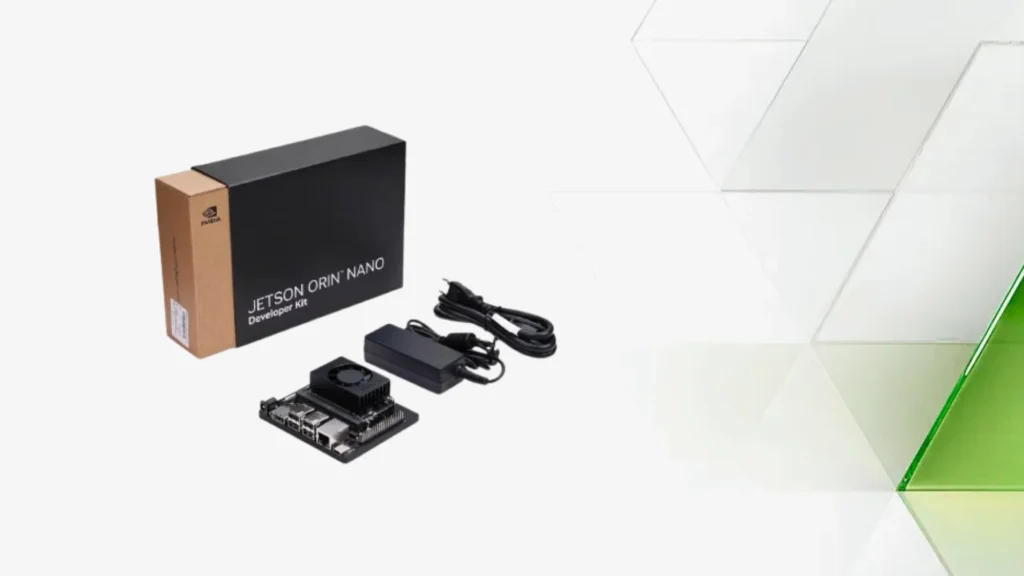
NVIDIA continues to dominate the AI ecosystem with its Jetson platform. The Jetson Orin Nano-based AI Boxes are among the most accessible yet powerful solutions.
Key features include an AI performance of up to approximately 67 TOPS, supported by a robust CUDA and TensorRT ecosystem. It offers an affordable entry point for developers with kits priced around $249. Typical use cases encompass robotics prototyping, AI camera development, and edge LLM inference.
Engineering insight:
This is the sweet spot for developers – balancing performance, ecosystem maturity, and cost.
2. ZED Box (Stereolabs) – Vision AI Specialist
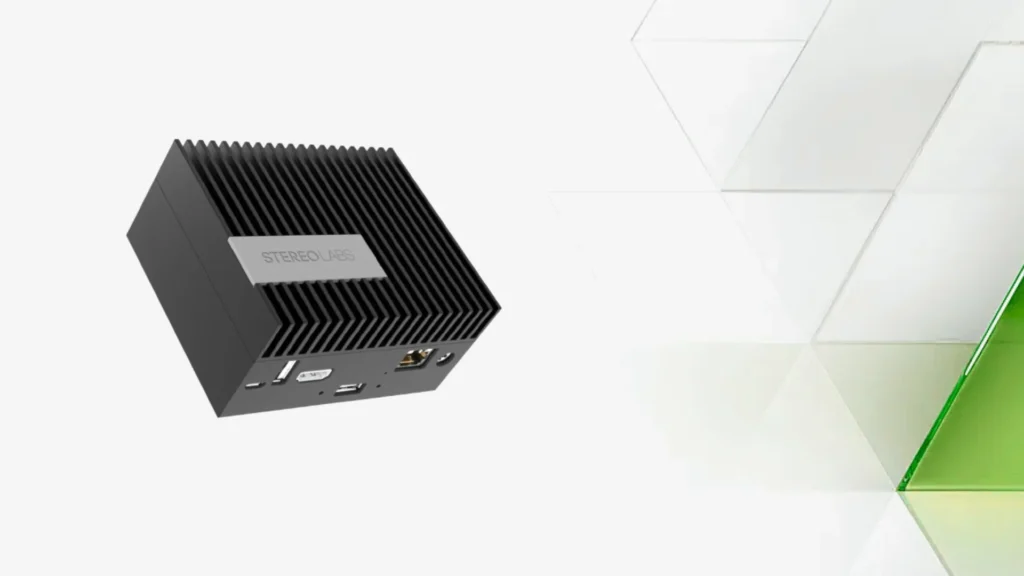
The ZED Box is a specialized Smart Box focused on 3D vision and spatial computing.
Key features include up to 157 TOPS compute with Jetson Orin, optimized for stereo vision and depth sensing, and an integrated SDK tailored for robotics and spatial AI. Use cases encompass autonomous navigation, robotics perception, and smart surveillance. Engineering insight:
ZED Box excels particularly in applications where vision AI pipelines are central, especially in robotics and autonomous systems.
3. EDGEMATRIX Edge AI Box EX Series
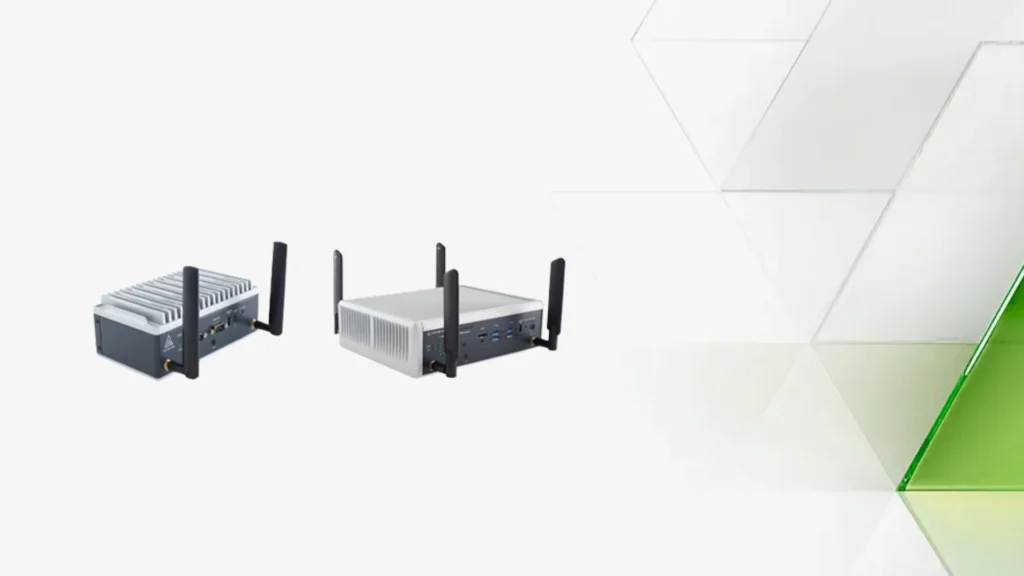
The EDGEMATRIX EX Series represents industrial-grade Smart AI Box systems.
Key features include configurations with Orin Nano, NX, and AGX Orin, supporting multiple cameras and high-throughput video processing, all designed for real-time analytics. Use cases encompass smart city infrastructure, traffic monitoring, and retail analytics.
Engineering insight:
This is a high-performance, production-ready AI system, particularly strong in video analytics workloads.
4. ASRock Industrial AI Box (iEP Series)
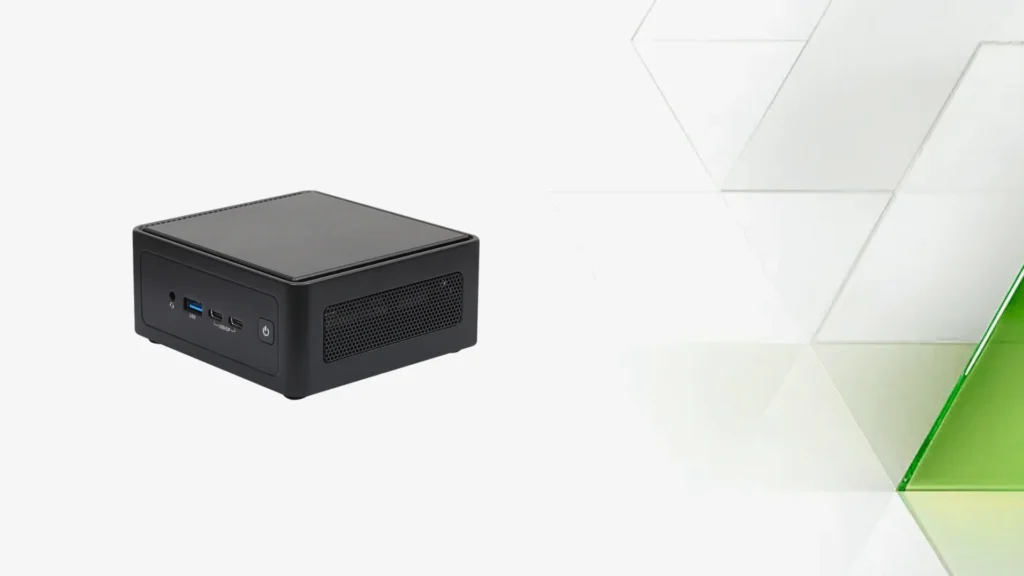
ASRock Industrial provides enterprise-level AI Box solutions designed for industrial automation and IoT.
Key features include AI performance of up to 157 TOPS, a robust, fanless industrial design suitable for extended temperature ranges, and extensive I/O options and connectivity. Use cases encompass factory automation, smart manufacturing, and industrial IoT. ASRock emphasizes reliability and deployment stability, making their products ideal for harsh environments.
5. Kiwi Box 1 – Flexible Edge AI Platform for Developers
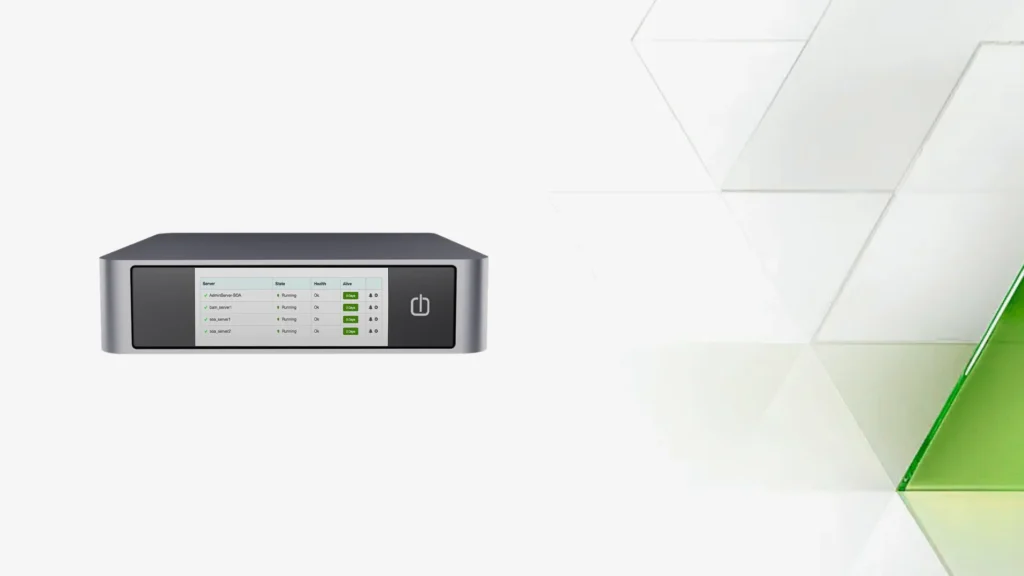
The Kiwi Box 1, introduced in 2026, is a versatile Smart AI system (6 Tops) with RK3588 designed for developers, startups, and enterprises seeking a customizable solution. It is built on the Rockchip AI ecosystem with efficient NPU acceleration and is suitable for edge AI inference and lightweight models. The device supports flexible operating systems, including Linux and Android, and is ideal for AIoT, smart retail, and embedded systems. Unlike many solutions that rely heavily on GPUs, the Kiwi Box 1 focuses on balancing cost and performance and offers customization options, making it well-suited for scalable deployments and ODM/OEM projects.
Engineering perspective:
Kiwi Box 1 is not trying to compete with high-end Jetson-based systems in raw TOPS. Instead, it targets efficient edge inference, where power consumption and deployment flexibility matter more than peak compute. Also, you read an article about the CPU/RAM test of KiwiPi 5, our other product.
Comparison Table: Top AI Box Solutions (2026)
| Feature / Model | Kiwi Box 1 | Jetson Orin Nano AI Box | ZED Box | EDGEMATRIX EX Series | ASRock iEP Series |
| AI Compute | 6 TOPS (NPU-based) | ~67 TOPS | Up to 157 TOPS | Up to AGX Orin level | Up to 157 TOPS |
| Architecture | Rockchip SoC | NVIDIA GPU | NVIDIA GPU | NVIDIA GPU | NVIDIA GPU |
| Power Efficiency | High | Medium | Medium | Medium | Medium |
| Customization | Excellent | Good | Limited | Limited | Moderate |
| Best Use Case | AIoT / embedded | Dev & prototyping | Vision AI | Video analytics | Industrial AI |
| Price Positioning | Cost-effective | Affordable | Mid-high | High-end | Enterprise |
Key Trends in Smart AI Box Development
1. Shift Toward Generative AI at the Edge
Modern AI Box systems are increasingly capable of running LLMs and multimodal models locally, reducing dependency on cloud infrastructure .
2. Performance Scaling with Orin Architecture
Jetson Orin platforms deliver significant performance gains compared to previous generations, enabling more complex AI workloads .
3. Multi-Modal AI Workloads
AI Boxes now handle combined workloads – vision, language, and sensor fusion – rather than single-task inference.
How to Choose the Right AI Box
When selecting an AI Box in 2026, engineers should carefully evaluate several key factors. These include compute requirements, such as TOPS versus the actual workload needs; power constraints, especially since edge deployment often demands efficiency; the software ecosystem, like Jetson, Rockchip, or others; scalability and the ability to customize; and the deployment environment, whether industrial or consumer.
FAQ: AI Box and Smart AI Box Systems
What is the difference between an AI Box and a Smart Box?
There is no strict technical difference – Smart AI Box is often used as a marketing term to emphasize intelligent, autonomous capabilities.
Can AI Boxes run large language models (LLMs)?
Yes, modern AI Box systems, especially those using NVIDIA Orin, can run smaller or optimized large language models locally.
Are AI Boxes better than cloud AI?
AI Boxes aren’t necessarily better, but they work well together. They are good at processing data quickly in real time, operating offline, and handling applications where privacy is important.
Is Kiwi Box 1 suitable for enterprise use?
Yes. While it is cost-efficient, its flexibility and customization make it suitable for enterprise AIoT deployments.
What industries use AI Box solutions the most?
Smart cities, retail analytics, manufacturing, robotics, and transportation.
Conclusion
The AI Box market in 2026 is moving towards edge intelligence, where computing happens nearer to data sources. There are now various options available, from high-performance GPU-based systems like Jetson to more customizable solutions like Kiwi Box 1, suitable for different deployment needs.
For engineers and system integrators, the main consideration is balancing performance, cost, and scalability. Smart AI Box solutions are no longer rare; they are becoming a basic part of future intelligent systems.
Stay updated with us:
- RKDevTool Guide for KiwiPi 5
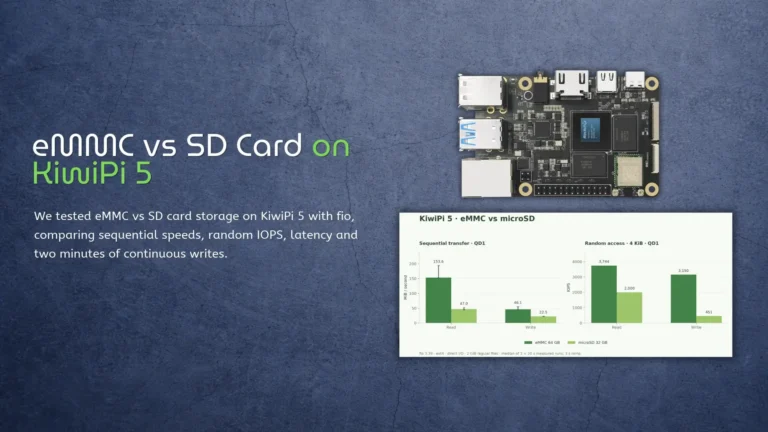
- eMMC vs SD Card on KiwiPi 5
- KiwiPi 5 as a Single-Board Server
- How to Use Rockchip Batch Tool
- KiwiDrop: File Sharing for Windows and Linux
- How to Check Disk Space in Linux
- How to Check CPU Temperature in Linux