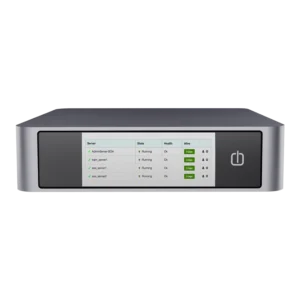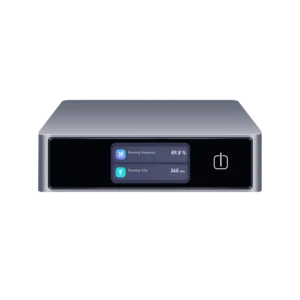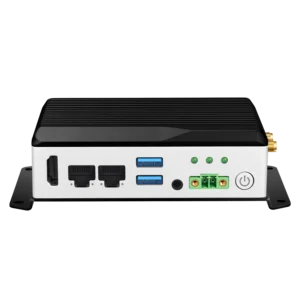


At the 2026 Beijing Auto Show, Rockchip introduced its new Automotive AI BOX platform together with ModelBest. The goal is simple – to bring large AI models into the car without depending too much on the network.
This is not just another automotive demo; it also shows how embedded AI hardware is changing across many industries. The same ideas behind smart cockpit AI can also be used in robotics, kiosks, AI terminals, edge video systems, and embedded Linux devices.
Why Automotive AI BOX Is Moving to the Edge
Rockchip’s new Automotive AI BOX tries to solve this problem with a dedicated AI compute system inside the vehicle. According to the company, the platform is designed for multimodal AI workloads and local large model inference.
That matters because modern in-car AI is no longer only voice commands. New systems process video, audio, driver behavior, navigation data, and even cabin monitoring at the same time.
This trend is very similar to what we already see in edge AI hardware based on Rockchip RK3588 platforms. Devices powered by RK3588 are already handling local video processing, AI acceleration, and multimedia workloads without relying heavily on remote servers.
RK3576M Main Controller
The Automotive AI BOX uses the RK3576M (M version of Rockchip RK3576) automotive-grade processor as its main controller. Rockchip positions it as a dedicated AI computing hub instead of a traditional infotainment chip.
This approach is interesting because the industry is starting to separate AI workloads from the main cockpit processor, which helps reduce resource conflicts and improves stability. In simple terms, the car can keep its main operating system responsive while another dedicated platform handles AI inference.
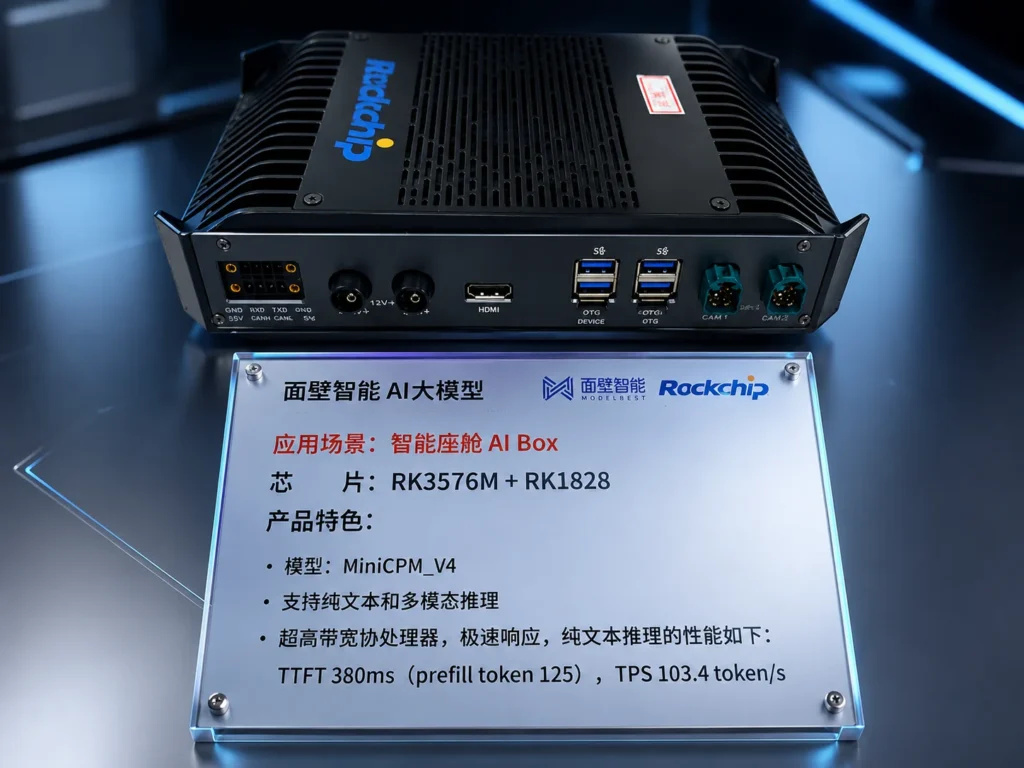
This idea is already common in embedded AI deployments outside automotive systems – many companies now separate video processing, AI acceleration, and UI workloads into dedicated compute paths.
For example, hardware video acceleration is becoming essential for edge AI systems that process multiple camera feeds. Software encoding alone creates too much CPU overhead and power usage.
That is exactly why hardware media pipelines became important on RK3588 systems. The article Hardware Video Encoding on RK3588 explains how dedicated encoding hardware reduces CPU load and improves real-time multimedia performance.
Automotive AI
The automotive industry used to rely heavily on closed ecosystems. Now companies increasingly want flexible AI frameworks, Linux-based systems, and custom deployment options. That is one reason Rockchip platforms continue appearing in embedded AI discussions. Developers often choose them because they combine multimedia acceleration, ARM performance, and AI processing in relatively compact hardware.
Community discussions around Rockchip chips also show that developers see strong potential in media processing and embedded Linux workloads. Of course, automotive systems require much stricter reliability and certification standards than hobby boards or consumer devices, but the technical direction is becoming very similar. This is also why choosing between Allwinner and Rockchip remains a common starting point for developers picking an SBC platform.
The line between automotive AI hardware and industrial edge AI hardware is starting to blur.
AI Hardware Is Expanding Beyond Cars
The same edge AI architecture is now appearing in retail systems, robotics, industrial automation, and smart transportation.
A good example is modern ticketing and transportation infrastructure. Many systems now combine cameras, AI recognition, embedded processors, and local databases directly at the edge.
That is very similar to how modern transit hardware works in Japan. Suica IC System shows how embedded systems quietly handle millions of daily transactions with dedicated local hardware instead of relying entirely on cloud services.
This shift toward local processing is becoming more important as AI workloads grow larger.
Conclusion
Rockchip’s Automotive AI BOX is more than a car technology demo. It reflects a larger industry movement toward dedicated edge AI computing.
The future of AI hardware is becoming increasingly local. Cars, robotics, industrial devices, and transportation systems all need faster response times and better privacy. Local AI processing helps solve those problems.
For embedded developers, this trend creates new opportunities around AI acceleration, multimedia processing, and ARM-based edge platforms.
And based on the direction shown at the Beijing Auto Show, the next generation of embedded AI systems will likely depend less on the cloud and much more on dedicated local compute hardware.
FAQ
What is Rockchip Automotive AI BOX?
It is a dedicated automotive AI computing platform introduced by Rockchip at the 2026 Beijing Auto Show. The system is designed for local AI inference and multimodal processing inside vehicles.
Why is edge AI important for vehicles?
Edge AI reduces latency and improves privacy because data processing happens directly inside the vehicle instead of relying entirely on cloud servers.
What processor does the Automotive AI BOX use?
The platform uses the RK3576M automotive-grade SoC as its main computing controller.
How is this related to RK3588?
Both platforms focus on AI acceleration, multimedia processing, and embedded edge computing. RK3588 is already widely used in embedded Linux and AI applications, where managing file permissions on Linux is a routine task.
Why does hardware video encoding matter in AI systems?
AI systems that process multiple camera streams need efficient multimedia acceleration. Hardware encoding reduces CPU usage and improves real-time performance.
Are Rockchip platforms popular for embedded Linux?
Yes. Many developers use Rockchip hardware for multimedia processing, AI acceleration, and embedded Linux projects.