IoT Facility Management for Smarter
and More Efficient Buildings
Enhance Facility Safety, Comfort, and Efficiency
AI Modules
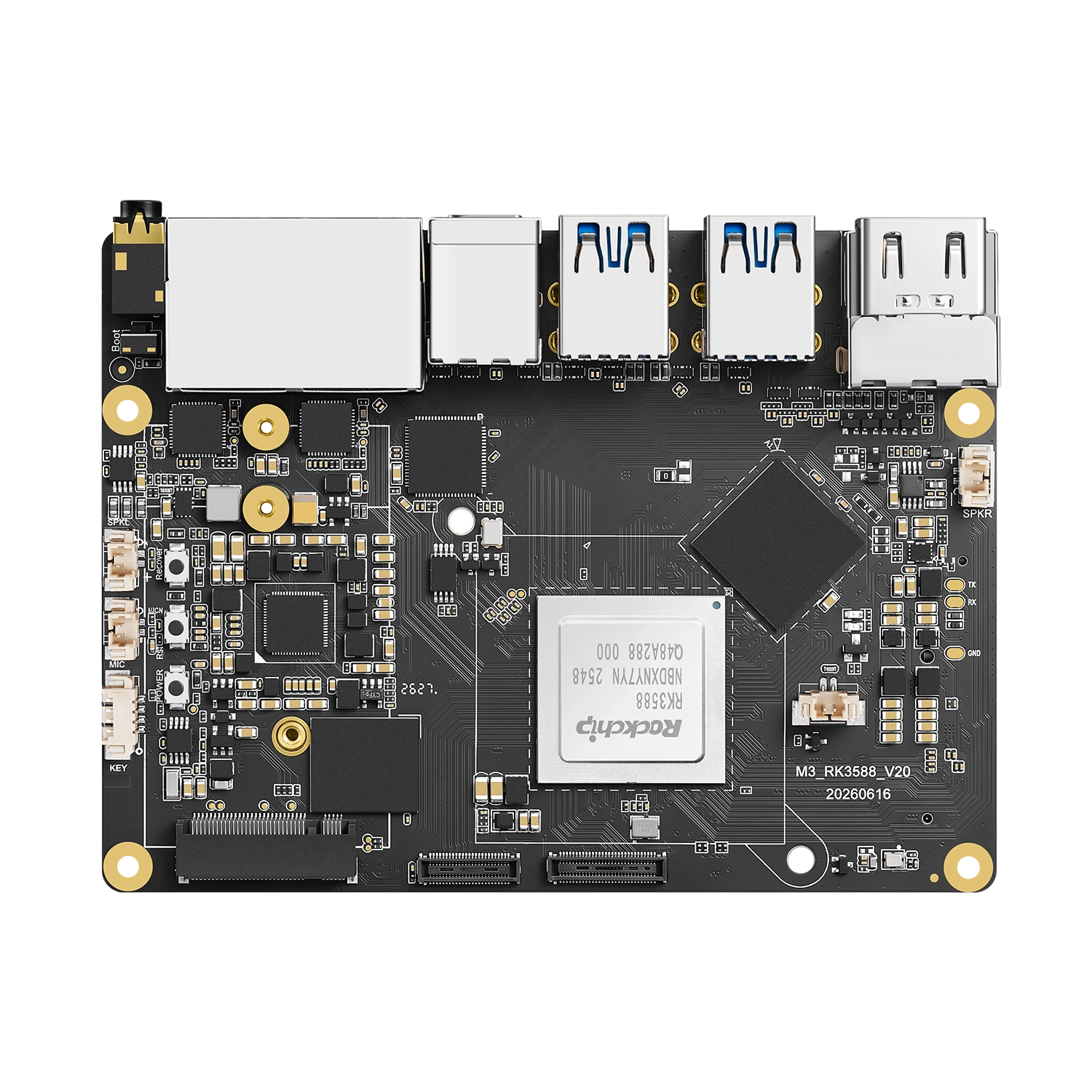
The RK3588 Mini PC is driven by Rockchip’s latest flagship AIoT SoC built on an 8nm process. Its chipset integrates a CPU with a big.LITTLE architecture, comprising four high-performance Cortex-A76 cores and four power-efficient Cortex-A55 cores, providing a good mix of performance and energy savings.
What's Hot
Stay ahead with Milesight’s latest and most featured products shaping the future of smart security and traffic.

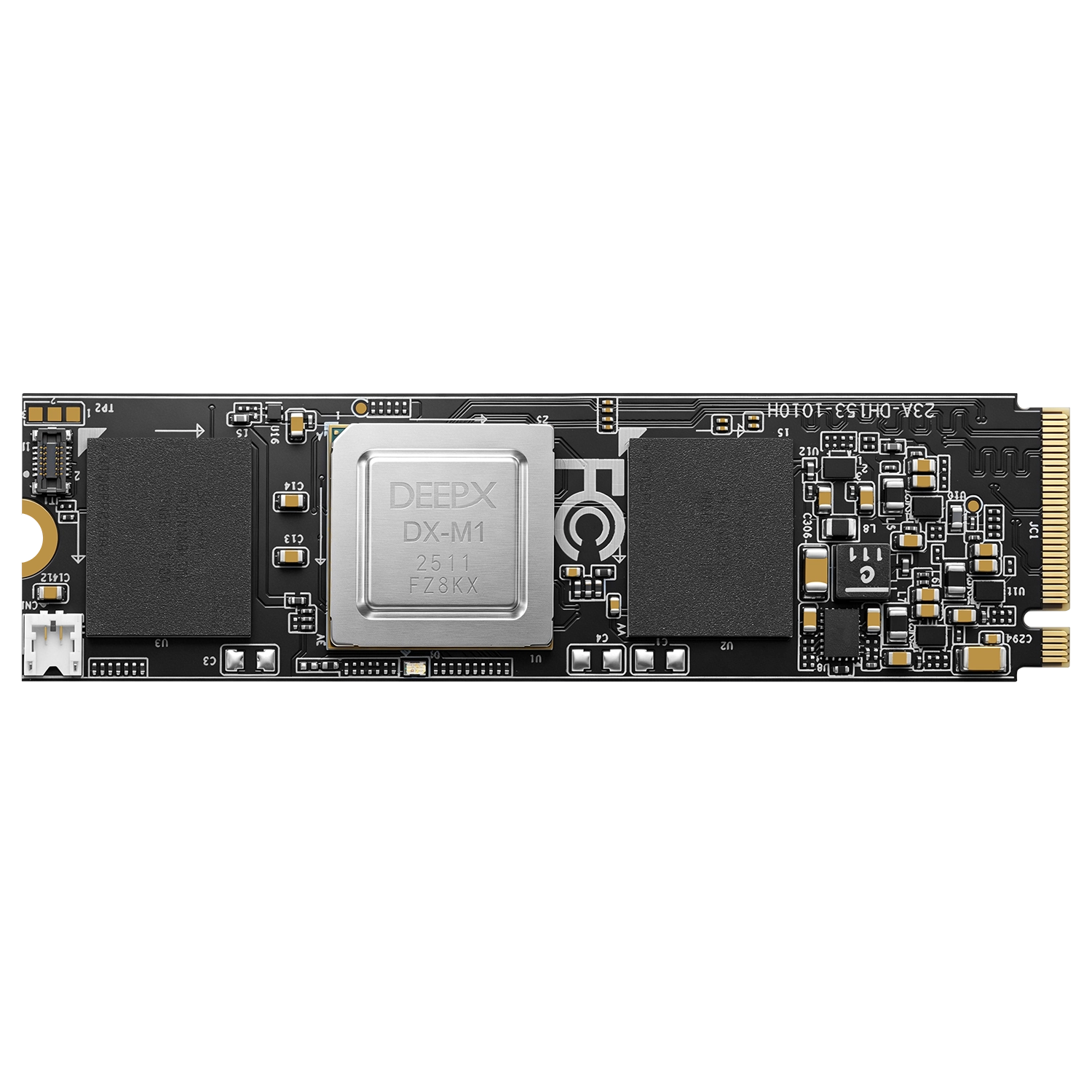
DX-M1 AI Module
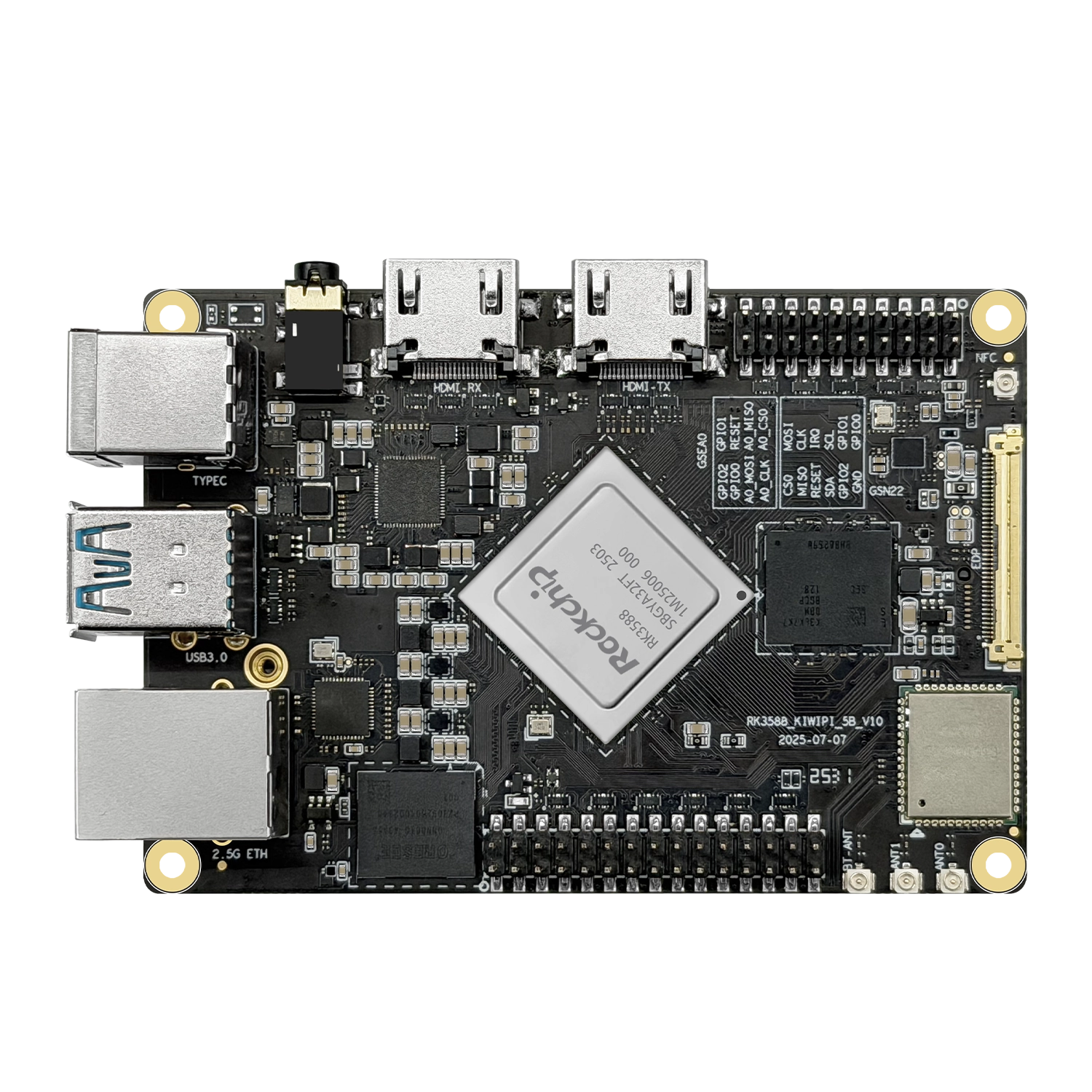
The Kiwi Pi 5B RK3588 single-board computer (SBC), an alternative to the Raspberry Pi 5, features an 8-core CPU, Mali-G610 GPU, and 6 TOPS NPU.

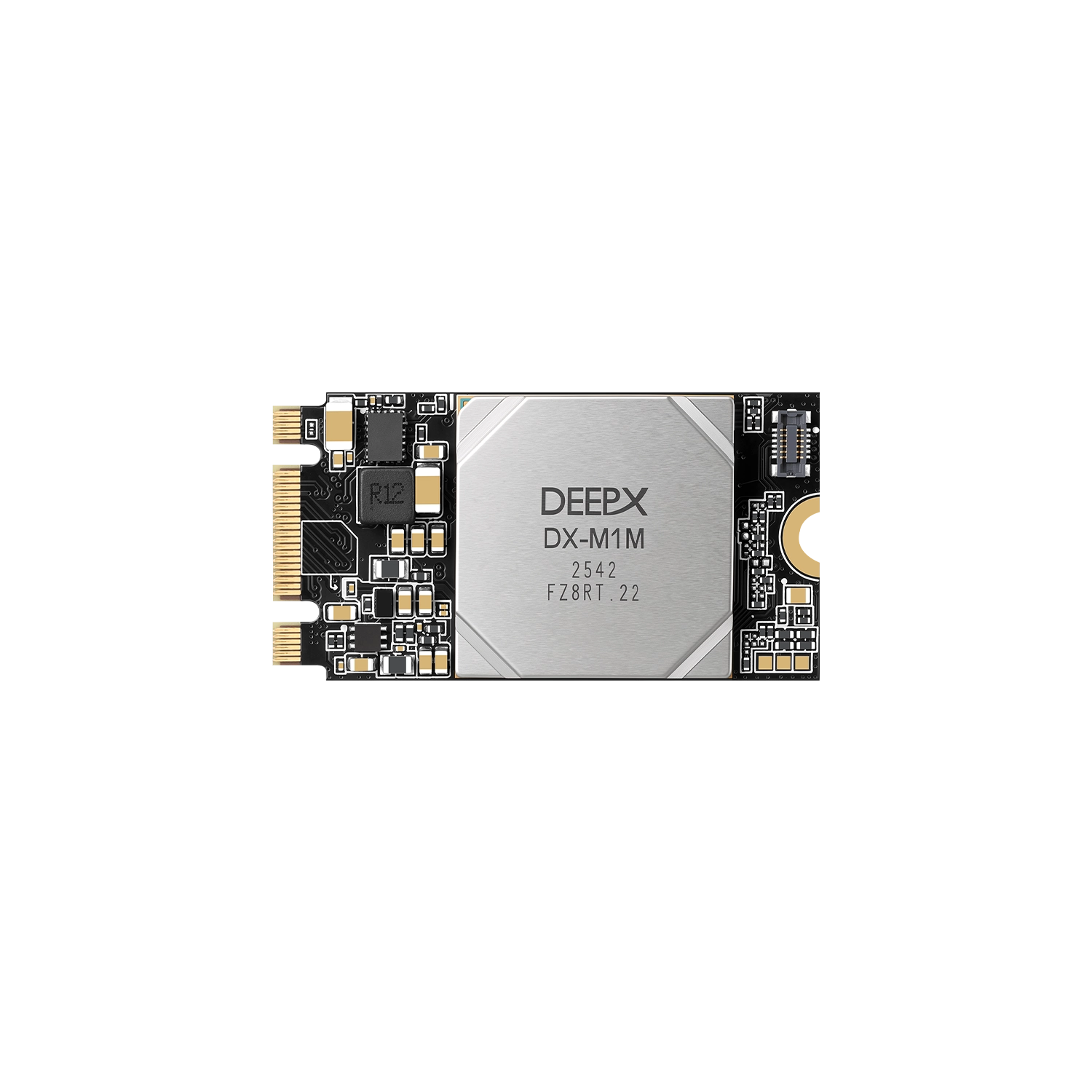
DX-M1M AI Module
The Kiwi Pi 5B RK3588 single-board computer (SBC), an alternative to the Raspberry Pi 5, features an 8-core CPU, Mali-G610 GPU, and 6 TOPS NPU.

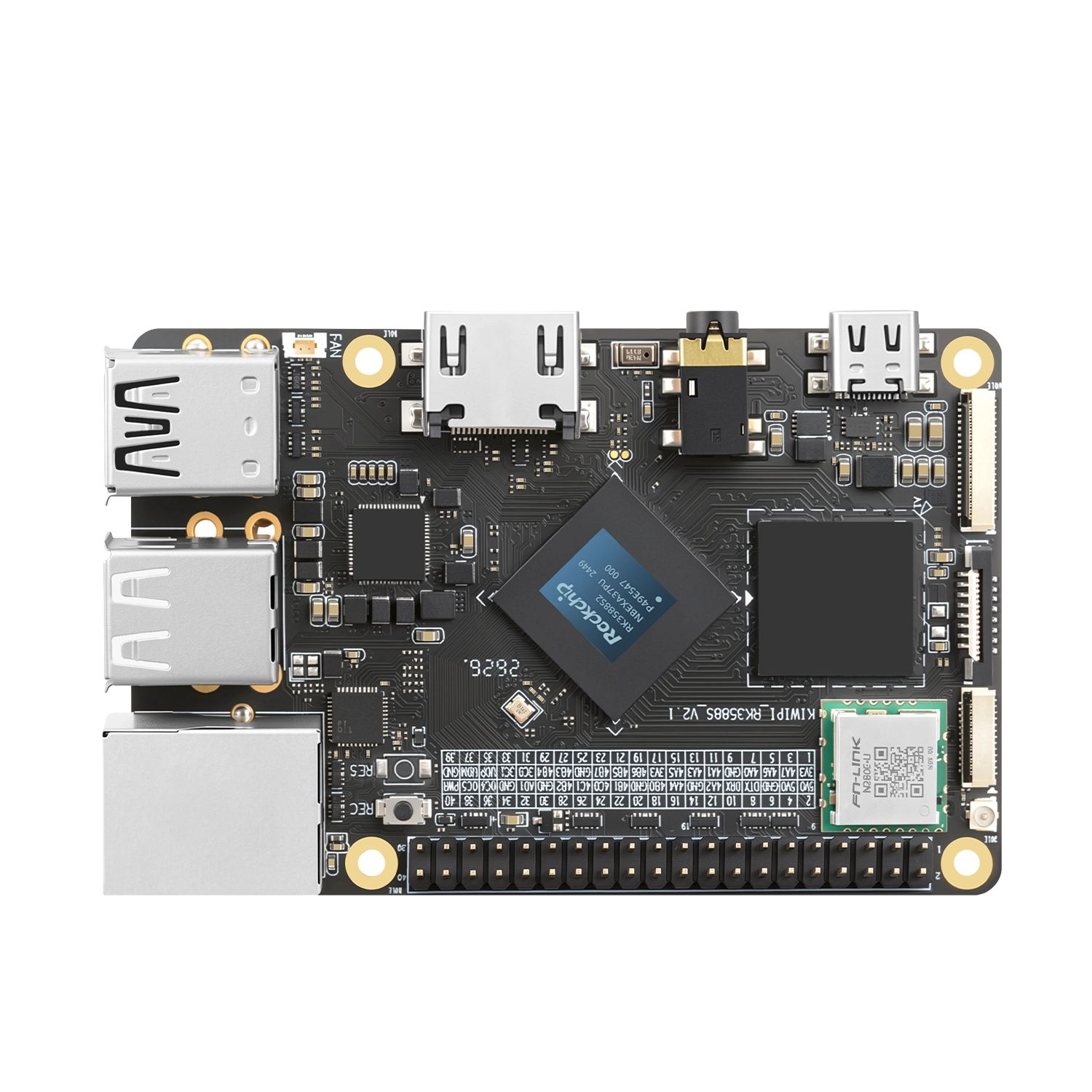
KiwiPi 5
The alternative to Raspberry Pi features an RK3588S octa-core 64-bit flagship processor. Built with 8nm technology, it incorporates an ARM Mali-G610 MP4 quad-core GPU and a 6TOPs AI NPU. Its architecture provides high performance and energy efficiency, making it suitable for intensive applications.

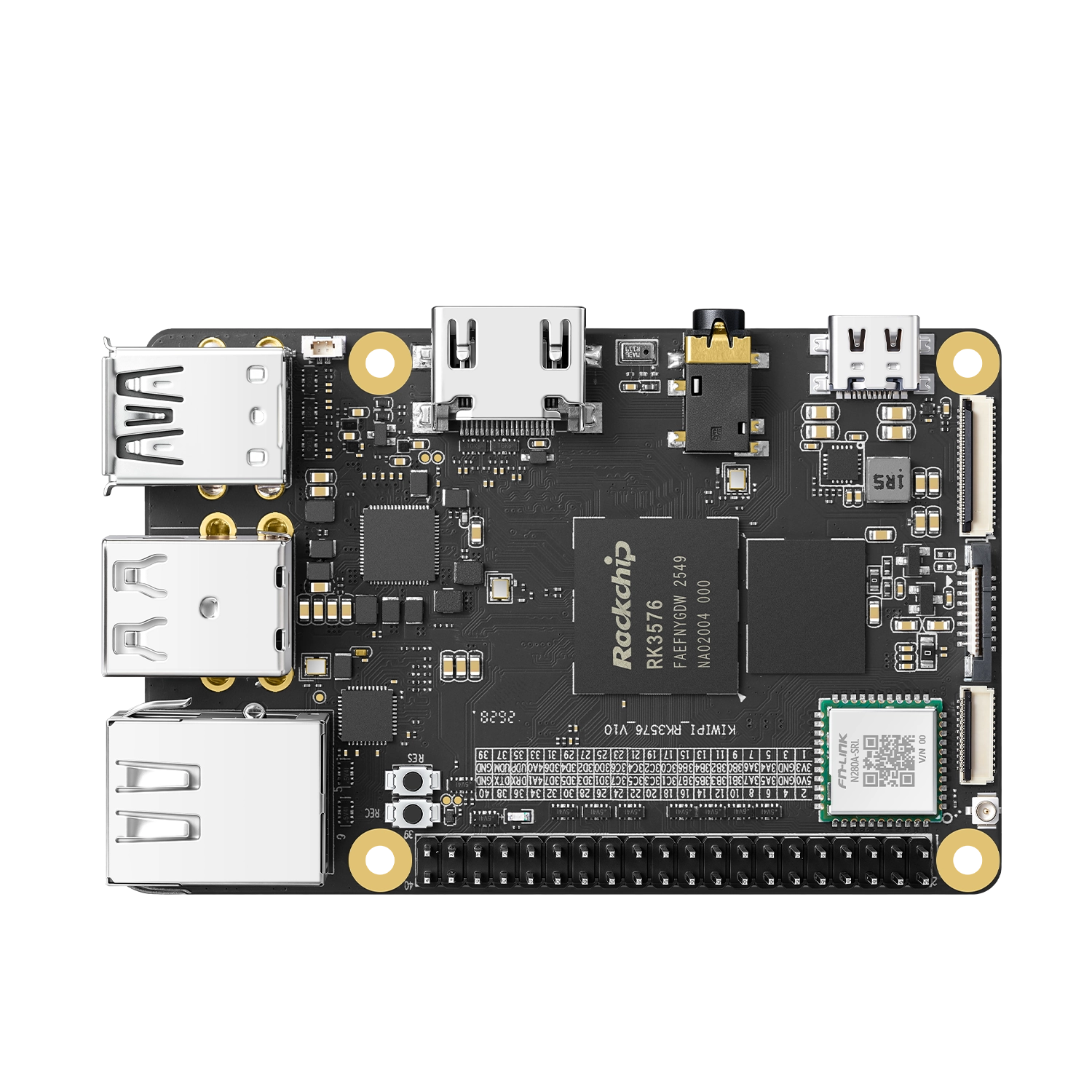
KiwiPi 5B
The Kiwi Pi 5B RK3588 single-board computer (SBC), an alternative to the Raspberry Pi 5, features an 8-core CPU, Mali-G610 GPU, and 6 TOPS NPU.

KiwiPi 5 Pro
KiwiPi 5 Pro is powered by Rockchip RK3588 8-core 64-bit processor with 4 Cortex-A76 (2.2GHz), 4 Cortex-A55(1.8GHz), and an independent NEON coprocessor.

Kiwi Box 1
The RK3588 Mini PC is powered by Rockchip’s latest flagship AIoT SoC built on an 8nm process. Its chipset combines a CPU with a big.LITTLE architecture, featuring four high-performance Cortex-A76 cores and four energy-efficient Cortex-A55 cores, offering a balance of performance and power savings.

Kiwi Box 2
The RK3588S Mini PC is powered by Rockchip’s latest flagship AIoT SoC, built using an 8nm process. The RK3588S chipset features a CPU based on big.LITTLE architecture, with four high-performance Cortex-A76 cores and four energy-efficient Cortex-A55 cores, offering a good balance of performance and power efficiency.
Solutions
Explore tailored solutions that address diverse needs across industries and applications.
Smart Parking Solution
Efficient, Accurate, and Visualized Parking Operations
Smart Parking Solution
Efficient, Accurate, and Visualized Parking Operations
Smart Parking Solution
Efficient, Accurate, and Visualized Parking Operations
Smart Parking Solution
Efficient, Accurate, and Visualized Parking Operations
Smart Parking Solution
Efficient, Accurate, and Visualized Parking Operations
Smart Parking Solution
Efficient, Accurate, and Visualized Parking Operations
Resources
Slow Response and Information Push
Facility teams struggle to get real-time alerts, resulting in delayed responses to system failures or abnormal events.
Slow Response and Information Push
Facility teams struggle to get real-time alerts, resulting in delayed responses to system failures or abnormal events.
Slow Response and Information Push
Facility teams struggle to get real-time alerts, resulting in delayed responses to system failures or abnormal events.
Slow Response and Information Push
Facility teams struggle to get real-time alerts, resulting in delayed responses to system failures or abnormal events.
Slow Response and Information Push
Facility teams struggle to get real-time alerts, resulting in delayed responses to system failures or abnormal events.
Slow Response and Information Push
Facility teams struggle to get real-time alerts, resulting in delayed responses to system failures or abnormal events.
Frequently Asked Questions
Q: How does IoT technologies work in facilities management?
A: IoT facility management connects smart sensors, gateways, and cloud-based platforms to monitor, analyze, and control building systems in real time. Data is collected from HVAC, lighting, energy meters, security systems, and more, enabling facility managers to analyze data across multiple sites to predict issues, automate workflows, and improve operational efficiency.
Q: Which industries benefit the most from IoT facility management?
A: IoT-based facility management is widely used in:
Healthcare — hospital temperature monitoring, medicine storage compliance, asset tracking
Commercial buildings — smart lighting, predictive HVAC control, occupancy-based cleaning
Industrial manufacturing — energy efficiency, predictive maintenance, machine health monitoring
Retail & malls — footfall analytics, inventory control, smart restroom management
Education campuses — centralized monitoring, optimized lighting and HVAC systems
Q: What types of IoT sensors are used in facility management?
A:
Temperature & humidity sensors — monitor HVAC performance and occupant comfort
Energy meters — track real-time consumption and prevent overloads
Leak detectors & pipeline pressure sensors — protect against property damage
Occupancy & people counting sensors — optimize cleaning and resource allocation
Air quality sensors — ensure healthy indoor environments
Q: What's the difference between traditional BMS and IoT-based facility management?
A:
Feature Traditional BMS IoT-Enabled Facility Management
Data Source Mostly static, predefined inputs Real-time IoT sensor data
Integration Limited to proprietary systems Works with multiple protocols & platforms
Control Manual adjustments Automated, adaptive, and remote
Insights Reactive maintenance Predictive and data-driven decisions
Scalability Complex, costly upgrades Highly scalable via wireless IoT devices
Q: Why is LoRa® chosen and how does the technology empower smart building applications?
A: LoRa® technology is ideal for IoT facility management because it offers long-range communication, low power consumption, and strong signal penetration, making it perfect for large buildings and complex environments. With LoRaWAN® networks, thousands of IoT sensors can be seamlessly connected to monitor HVAC, energy, lighting, security, and occupancy in real time. This enables predictive maintenance, better energy efficiency, and smarter building operations while reducing overall costs.
Q: How do the occupancy and people counting sensors support IoT Facility Management?
A: The occupancy and people counting sensors provide real-time occupancy analytics, tracking foot traffic and space utilization across different facility areas. By integrating these insights into IoT facility management platforms, facility managers can optimize cleaning schedules, improve energy efficiency, allocate resources more effectively, and enhance overall occupant comfort and experience.